

You have probably heard about mindfulness from a friend, a wellness app, or even your therapist. But mindfulness is not just about feeling relaxed for a few minutes — researchers have spent decades studying what it actually does inside the brain, and the findings go far beyond “feeling calmer.” Practiced consistently, mindfulness appears to reshape how the brain processes stress, regulates emotion, and responds to anxiety and low mood.
Below, we break down what the research actually shows, what changes happen inside the brain during meditation, and how you can start practicing today, even if sitting still for five minutes sounds impossible right now.
Why Mindfulness Is Not Just a Trend — It Is a Brain Changer
Mindfulness has become a buzzword, showing up in apps, workplaces, and wellness routines everywhere. But underneath the trend is a genuinely well-studied practice. At its core, mindfulness means paying deliberate, non-judgmental attention to the present moment, your breath, your body, your thoughts, rather than being pulled along by autopilot or worry.
What makes this more than a feel-good habit is that brain-imaging research has repeatedly found measurable differences between people who meditate regularly and those who do not. These are not vague “sense of calm” findings; they are structural and functional changes researchers can actually observe on a scan.

What Happens in Your Brain When You Meditate?
Researchers who have scanned the brains of long-term meditators have found some genuinely fascinating differences:
- Your prefrontal cortex gets stronger. This is the part of the brain responsible for focus, decision-making, and emotional control. Regular mindfulness practice is associated with increased thickness in this region, which may help you stay more level-headed under pressure.
- Your amygdala may become less reactive. The amygdala is often described as the brain’s “alarm system” for fear and stress. In a widely cited study, Hölzel and colleagues (2011) found that after eight weeks of mindfulness-based stress reduction, participants showed measurable decreases in amygdala grey matter density, consistent with a calmer stress response.
- The brain’s “default mode network” quiets down. This is the network that is active when your mind wanders, ruminating, replaying conversations, worrying about the future. Meditators tend to show reduced activity here, which may explain why consistent practice can ease repetitive, anxious thinking.
- Better emotional regulation. Instead of being swept away by anger, sadness, or panic, mindfulness practice appears to strengthen the pause between feeling an emotion and reacting to it, giving you more room to respond thoughtfully instead of on autopilot.
Does It Actually Work for Anxiety and Depression?
The short answer is: the evidence is genuinely encouraging. A large-scale review by Kuyken and colleagues (2016), pooling data across thousands of participants, found that Mindfulness-Based Cognitive Therapy (MBCT) was about as effective as maintenance antidepressant medication at preventing depression relapse. Mindfulness-based approaches have also been associated with:
- Reduced anxiety symptoms
- Improved sleep quality
- Lower perceived intensity of chronic pain
- Greater overall emotional resilience during stressful periods
It is worth being clear-eyed here: mindfulness is not a replacement for therapy or medical treatment, and results vary from person to person. But as a complement to individual therapy, it is one of the more evidence-backed tools available for building day-to-day emotional resilience.
How to Start (Even If You Are Skeptical)
You do not need a silent retreat, a meditation cushion, or an hour of free time. A simple five-minute practice is enough to begin noticing a difference over a few weeks:
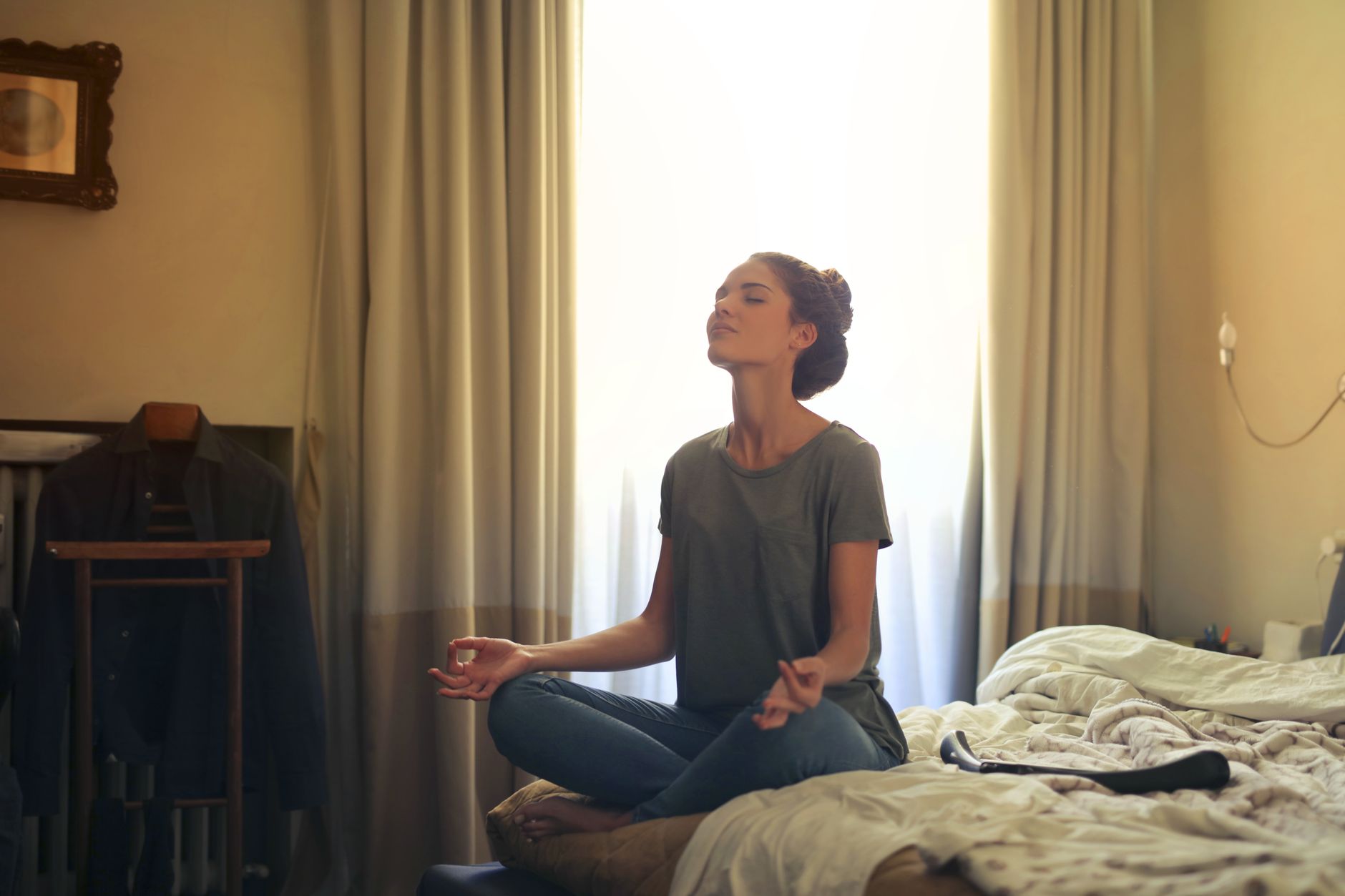
- Sit comfortably and close your eyes, or soften your gaze downward.
- Bring your attention to your breath; notice how it feels as you inhale and exhale, without trying to change it.
- When your mind wanders (it will, and that is completely normal), gently guide it back to your breath. No judgment, no frustration, just a gentle return.
- Practice daily for a week and notice, without pressure, whether anything feels different.
Many people find it easier to build the habit with structure, a guided app, a consistent time of day, or working through it alongside a therapist who can help troubleshoot what is getting in the way.

The Bottom Line
Mindfulness is not a magic fix, and it is not about achieving a perfectly blank, worry-free mind. It is closer to brain training: the more consistently you practice, the more your brain seems to strengthen its own capacity to stay calm, focused, and emotionally steady even when life does not slow down.
If anxiety, low mood, or chronic stress is making it hard to get started on your own, that is exactly the kind of thing a registered therapist can help with, combining mindfulness-based tools with a broader, personalized plan.
This article is for educational purposes only and is not a substitute for individualized professional care. If you are in crisis or thinking about harming yourself, please call or text 988 (Suicide Crisis Helpline, Canada), available 24/7.
Frequently Asked Questions
How long does it take to see benefits from mindfulness meditation?▼
Many people notice small shifts, like slightly easier sleep or a bit more patience, within one to two weeks of daily practice. The brain changes observed in research studies (such as reduced amygdala reactivity) are typically measured after about 8 weeks of consistent practice, so give it time and be patient with yourself.
Do I need to meditate for a long time for it to work?▼
No. Research on mindfulness-based programs often uses sessions in the 10–20-minute range, but even five minutes daily is a meaningful starting point. Consistency matters more than duration; a short daily practice tends to beat an occasional long one.
Is mindfulness the same as meditation?▼
They overlap but are not identical. Meditation is a formal practice (like sitting and following your breath), while mindfulness is a broader quality of attention you can bring to almost anything, such as washing dishes, walking, or a difficult conversation. Meditation is one of the most effective ways to develop mindfulness.
Can mindfulness replace therapy or medication?▼
No, and it is not meant to. Mindfulness is a well-supported complementary tool, not a replacement for individualized care. If you are managing anxiety, depression, or trauma, it works best alongside, not instead of, support from a registered therapist.
What if I “can’t stop my thoughts” when I try to meditate?▼
This is one of the most common concerns, and it stems from a misunderstanding: mindfulness is not about having no thoughts. It is about noticing when your mind has wandered and gently returning your attention, over and over. That act of noticing and returning is the actual practice, not a sign you are doing it wrong.
Can I build mindfulness into a busy schedule?▼
Yes, and this is often where it becomes most useful. You do not need a dedicated meditation session to practice mindfulness; you can bring the same quality of attention to a morning coffee, a commute, or the first few minutes after you sit down at your desk. Some people find “micro-practices” three slow breaths before a stressful meeting or a minute of noticing physical sensations while waiting in line easier to sustain long-term than a single long session that is easy to skip when life gets busy.
Ready to take the first step?
Book a free, no-obligation 15-minute consultation — in Mississauga or virtually across Ontario. No waitlist, no pressure.