

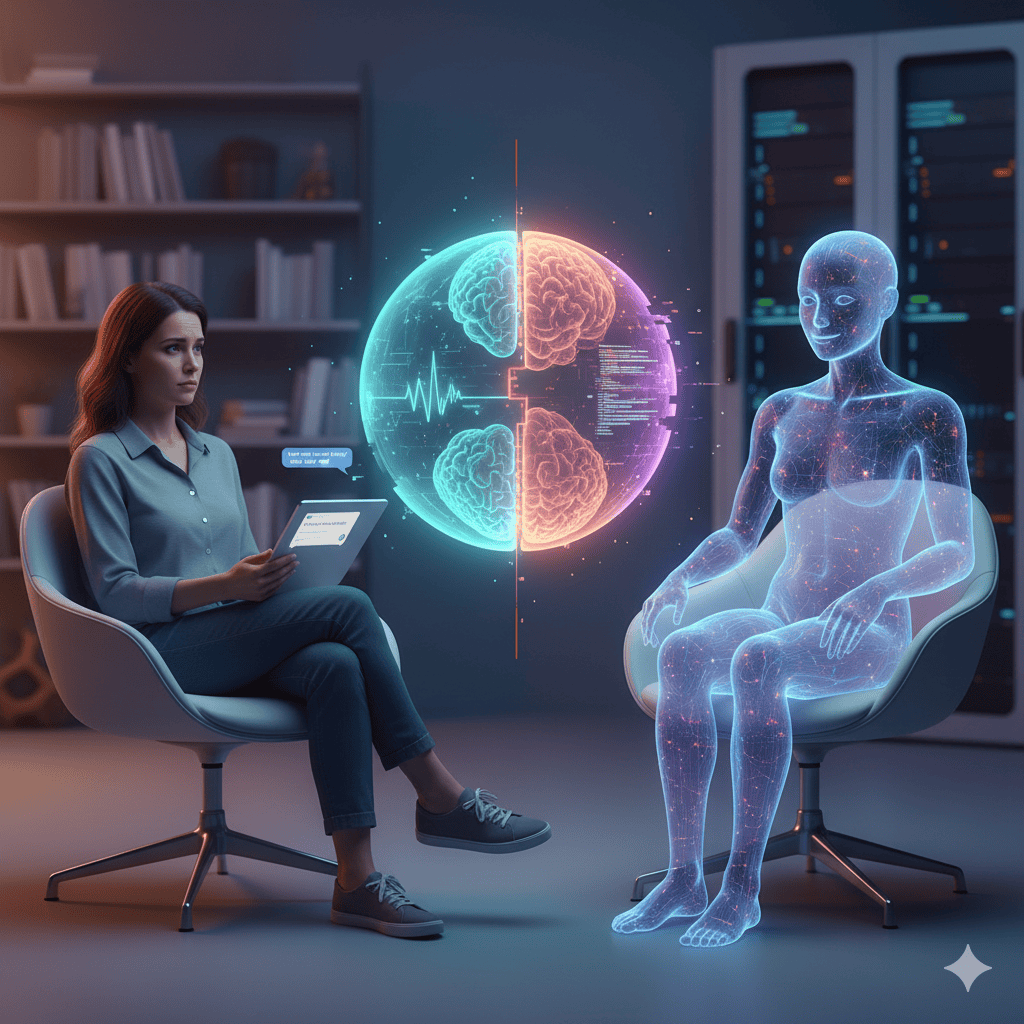
The appeal of using AI tools like ChatGPT for mental health support is growing as people seek convenient ways to address emotional challenges. While this trend highlights a desire for accessible support, the public must understand the significant differences between AI interactions and the professional, regulated care provided by a registered psychotherapist or other qualified professional.
Artificial intelligence has created new avenues for information and interaction in the mental health space. AI tools can offer 24/7 availability, breaking down geographical and scheduling barriers. This can lead some individuals to use them for initial support or to vent emotions outside of a clinical setting.
However, the emergence of these tools prompts important questions about the nature of therapeutic support. Traditional psychotherapy is built on a foundation of personalized human interaction, deep empathy, and professional judgment elements that AI cannot replicate.
Weighing the Appeal Against the Limitations
The appeal of AI often centers on:
- Accessibility: Available anytime, anywhere.
- Anonymity: Can feel less intimidating for some.
- Low Cost: Often free or low-cost.
It is vital to balance this appeal with a clear understanding of the limitations:
- Lack of Human Understanding: AI responds based on algorithms and data patterns, not lived human experience or genuine empathy. It cannot perceive non-verbal cues, emotional depth, or the subtle nuances of human communication, which can lead to misunderstandings or overly generic responses.
- Absence of Therapeutic Framework: AI operates without a regulated, evidence-based therapeutic framework. It cannot conduct an assessment, diagnose a condition, or develop a treatment plan. It does not adhere to professional standards of practice or a code of ethics.
- Significant Privacy Risks: Disclosing sensitive mental health information to an AI platform carries inherent data privacy risks. Unlike a regulated health professional, AI companies may not be bound by the same strict confidentiality and privacy laws (such as PHIPA in Ontario).
- Risk of Misguidance: In complex or crisis situations, an AI’s inability to understand context could lead to responses that are unhelpful, inappropriate, or even dangerous. It cannot assess for risk of self-harm or harm to others with clinical accuracy.
The Uncharted Territory of “Integration”
The concept of integrating AI into a mental health journey is complex and largely unregulated. While some may consider using AI for journaling or tracking moods, it is critical to know that any information shared with an AI is not part of a confidential clinical record.
The therapeutic relationship with a registered psychotherapist is a protected space, governed by professional standards and legal obligations. This ensures your safety, privacy, and the effectiveness of your care. Replacing any part of this process with an unregulated tool may compromise your therapeutic progress.
Making an Informed Choice for Your Well-being
Choosing how to address your mental health is a personal decision. When considering options, being aware of the critical distinctions between unregulated tools and professional care is crucial for making an informed choice.
Regulated mental health professionals, such as Registered Psychotherapists, provide a service grounded in evidence, ethical practice, and a genuine human connection dedicated to your specific healing and growth. This professional relationship remains the established standard for safe and effective mental health care.
If you are exploring support for your mental health, consulting a qualified, registered professional is the safest and most effective path. You can verify a therapist’s registration with their governing body, such as the College of Psychologists and Behaviour Analysts of Ontario, the College of Registered Psychotherapists of Ontario (CRPO), and the Ontario College of Social Workers and Social Service Workers.
Ready to take the first step?
Book a free, no-obligation 15-minute consultation — in Mississauga or virtually across Ontario. No waitlist, no pressure.
Book Free 15-Minute Consultation Contact Us