

Have you ever had a perfectly good day derailed by a single critical comment? Do you replay rejected texts, unanswered emails, or a friend’s offhand remark for hours — sometimes days — after it happened? If the emotional pain of rejection feels wildly out of proportion to what actually happened, you may be experiencing Rejection Sensitive Dysphoria (RSD) — and you’re far from alone.
What Is Rejection Sensitive Dysphoria?
Rejection Sensitive Dysphoria is an intense emotional response to the perception — real or imagined — of being rejected, criticized, or falling short of expectations. The word dysphoria comes from Greek and means “difficult to bear.” That’s exactly what it feels like: an overwhelming wave of shame, hurt, or rage that feels genuinely unbearable in the moment.
RSD isn’t a formal DSM diagnosis on its own, but it is widely recognized as a common and often debilitating feature of ADHD (Attention Deficit Hyperactivity Disorder). Research by Dr. William Dodson, a psychiatrist who has worked extensively with ADHD, suggests that up to 99% of adults with ADHD experience RSD to some degree.
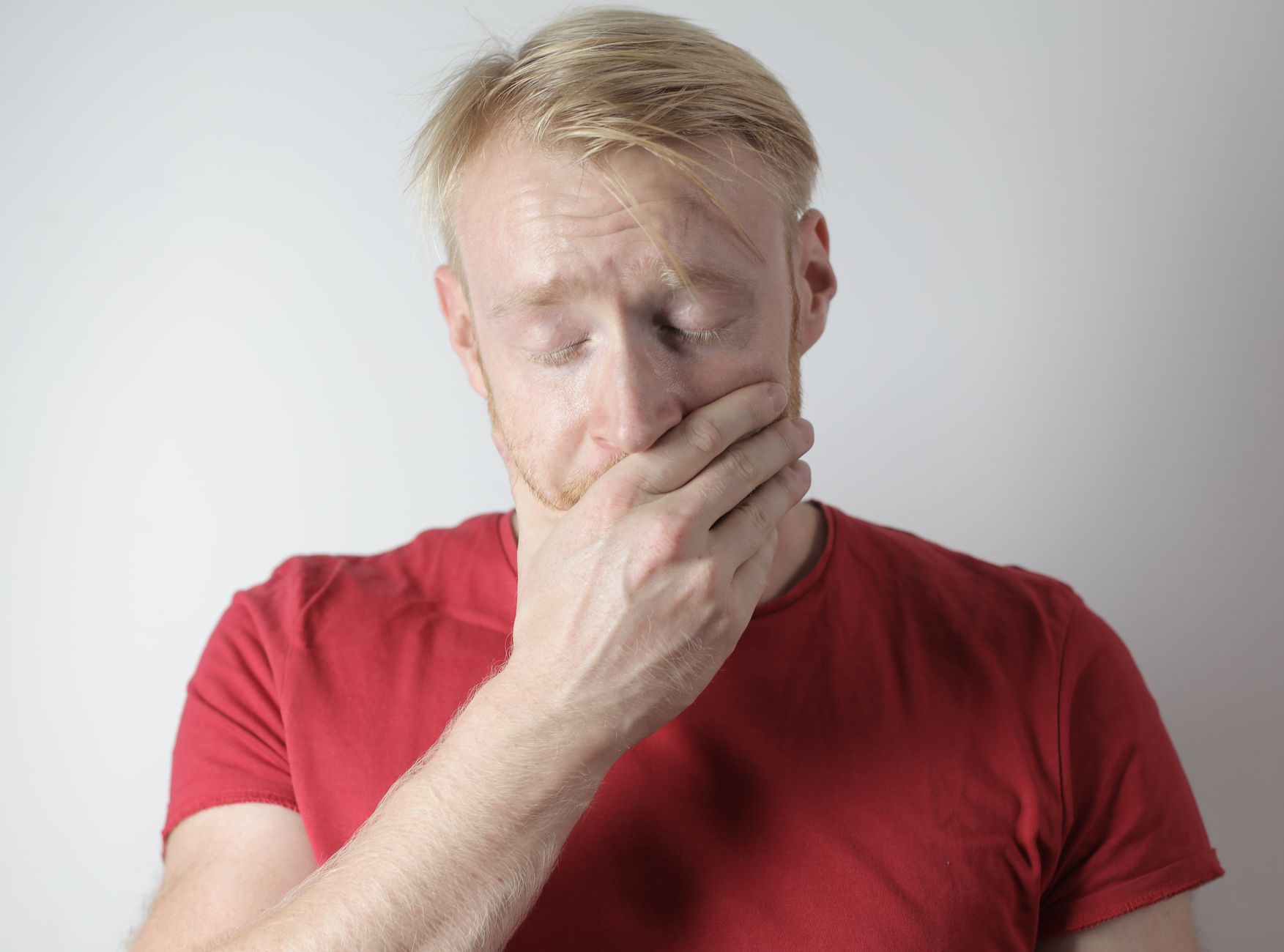
Signs You Might Be Experiencing RSD
RSD can look different from person to person, but common signs include:
- Intense emotional pain from criticism — even mild or constructive feedback feels like a personal attack
- People-pleasing behavior — working overtime to avoid any chance of disapproval
- Avoiding new challenges — fear of failure or judgment holds you back from trying
- Explosive anger or irritability — some people respond to perceived rejection with rage rather than sadness
- Social withdrawal — pulling away from relationships to avoid the risk of being hurt
- Extreme sensitivity to tone — reading into texts, emails, or facial expressions for signs of disapproval
- Mood crashes after perceived slights — what others brush off sends you into an emotional spiral
If several of these resonate, you’re not “too sensitive” or “overreacting.” Your nervous system is processing emotional pain more intensely — and there are real reasons for that.
Why Does RSD Happen?
RSD is thought to be neurological in origin. The ADHD brain has differences in dopamine regulation and emotional processing that make the experience of rejection — or the anticipation of it — far more intense than it is for neurotypical individuals.
Unlike typical emotional responses that build and fade gradually, RSD tends to hit like a switch — sudden, overwhelming, and hard to think your way out of. It can also be triggered not just by actual rejection but by the mere fear of it: a delayed text reply, a neutral tone in someone’s voice, or an ambiguous comment in a meeting.
This is why so many people with RSD describe feeling “too much” or being told they are — when in reality, their emotional responses are proportionate to the intensity of what they’re actually experiencing neurologically.
RSD, ADHD, and the Mississauga Connection
ADHD is significantly underdiagnosed, particularly in women and adults who developed strong coping mechanisms early in life. Many people living in Mississauga and the GTA reach adulthood without ever receiving an ADHD diagnosis — but carry the hallmarks of it, including RSD, for years.
If you’ve spent your life being told you’re “too emotional,” “too needy,” or that you take things personally, and if this has quietly shaped how you show up in relationships, at work, and in your own self-perception — it’s worth exploring whether ADHD and RSD might be part of your story.
How RSD Affects Relationships and Daily Life
Left unaddressed, RSD can have a significant impact on nearly every area of life:
- Relationships: Fear of rejection can lead to clinginess, jealousy, or — paradoxically — emotional shutdown and avoidance
- Work: Hypersensitivity to criticism can make feedback conversations unbearable and hold you back from taking on visible roles
- Self-esteem: Years of intense rejection responses can erode confidence and contribute to anxiety or depression
- Social life: Anticipating rejection leads many people to opt out of social situations altogether
Can Therapy Help With RSD?
Yes — and significantly so. While RSD won’t simply disappear, the right therapeutic support can help you:
- Understand the neurological basis of your reactions (which itself reduces shame)
- Identify RSD triggers before they escalate
- Build a pause between the emotional spike and your response
- Develop self-compassion and reduce the self-criticism that often follows an RSD episode
- Improve communication in relationships so rejection fears don’t drive the dynamic
Approaches like Cognitive Behavioral Therapy (CBT), Dialectical Behavior Therapy (DBT), and mindfulness-based therapy have all shown effectiveness in helping people manage the emotional intensity of RSD. Many therapists in Mississauga who specialize in ADHD will address RSD as a central part of treatment.
What to Do If You Recognize Yourself in This
If this article has felt like someone finally put words to something you’ve been carrying for years, here’s what we’d suggest:
- Stop pathologizing yourself. RSD is not a character flaw. It’s a neurological pattern — and it’s treatable.
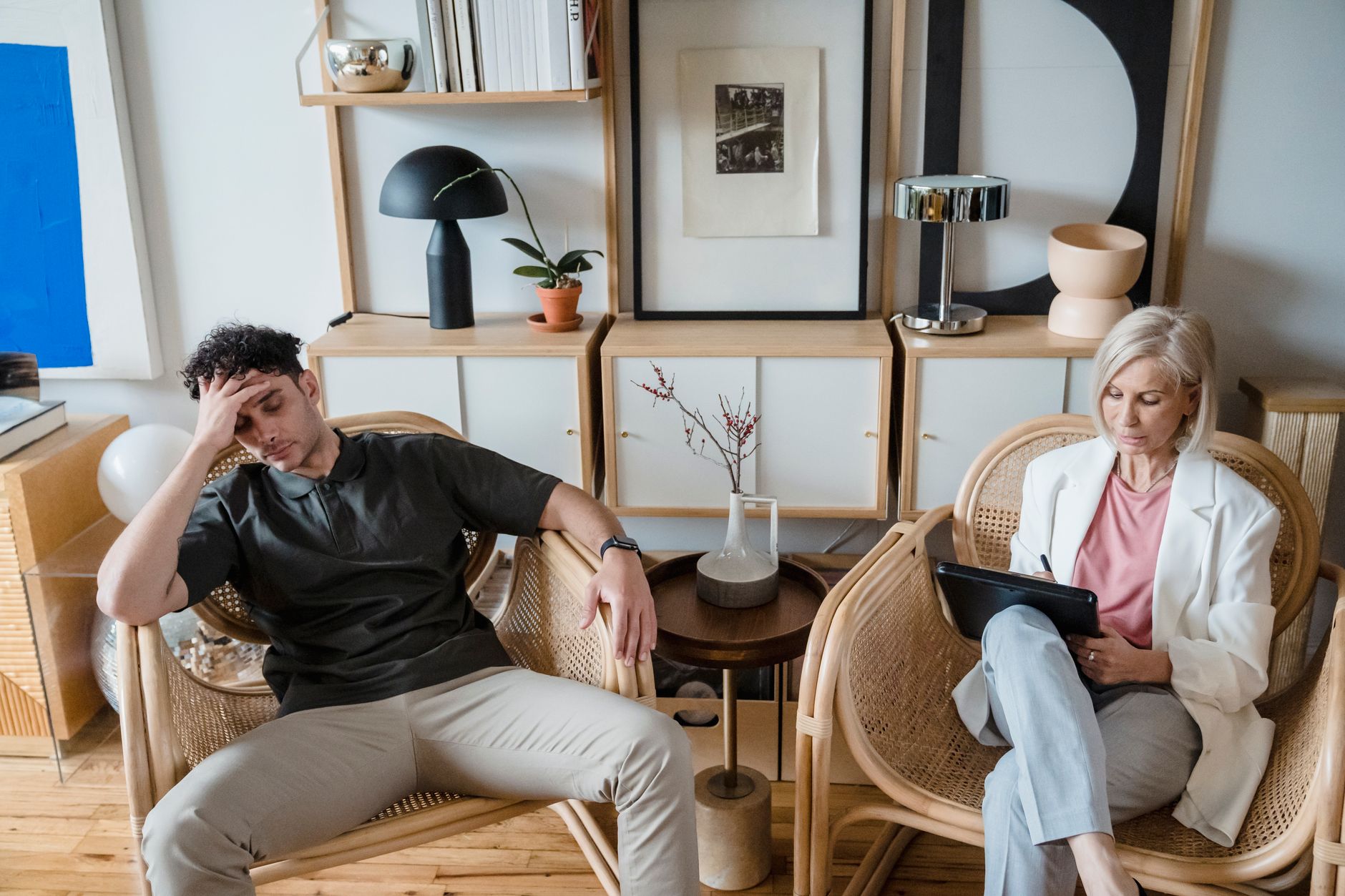
- Talk to a registered psychotherapist. A therapist experienced in ADHD and emotional dysregulation can help you map your specific triggers and build practical strategies.
- Consider whether an ADHD assessment is warranted. If RSD resonates strongly and you’ve also struggled with focus, organization, or emotional regulation, a formal assessment could be a valuable next step.
- Be patient with yourself. The goal isn’t to stop feeling — it’s to build a slightly larger gap between the feeling and the reaction.
Ready to Talk to Someone?
At Prime Psychotherapy, our registered therapists in Mississauga work with adults navigating ADHD, emotional dysregulation, and rejection sensitivity. We offer both in-person and online sessions across Ontario, including evenings and weekends.
Book a free 15-minute consultation — no commitment, just a conversation.
Prime Psychotherapy serves clients in Mississauga, Brampton, Milton, Oakville, and across the Greater Toronto Area. All therapists are registered with the College of Registered Psychotherapists of Ontario (CRPO).
Frequently Asked Questions
Is Rejection Sensitive Dysphoria a real, official diagnosis?▼
RSD is not currently a formal DSM diagnosis on its own, but it is widely recognized clinically as a common, often significant feature of ADHD. Many therapists experienced in ADHD treat it as a core part of care even without a standalone diagnostic code.
Can someone have RSD without having ADHD?▼
RSD is most strongly associated with ADHD, but heightened rejection sensitivity can also occur alongside anxiety, autism, or as a standalone pattern shaped by early experiences. A thorough evaluation can help clarify what’s driving your specific experience.
How is RSD different from just being sensitive?▼
The key difference is intensity and duration relative to the trigger. RSD involves a rejection response that feels disproportionately overwhelming compared to the actual event, and it often hits suddenly rather than building gradually, making it much harder to reason your way out of in the moment.
Does medication help with RSD?▼
Some people find that ADHD medication reduces the intensity of RSD episodes, since RSD is thought to be linked to ADHD-related dopamine regulation. This varies by individual, and it is a conversation to have with a physician alongside therapy, not a decision to make alone.
Can children experience RSD, or is it only in adults?▼
RSD can affect children and teens with ADHD as well, though it may look different — big emotional reactions to correction, intense fear of failure, or reluctance to try new things for fear of getting it wrong.
Ready to take the first step?
Book a free, no-obligation 15-minute consultation — in Mississauga or virtually across Ontario. No waitlist, no pressure.
Book Free 15-Minute Consultation Contact Us