


Supporting a teenager with anxiety can be challenging. Discover practical tips grounded in psychological research to guide your path. Learn how individualized care can make a difference.
If your teen’s anxiety is starting to affect their daily life, working with a registered therapist can make a real difference. Our anxiety therapy in Mississauga offers compassionate, evidence-based support for both anxiety and depression.
Understanding Teen Anxiety
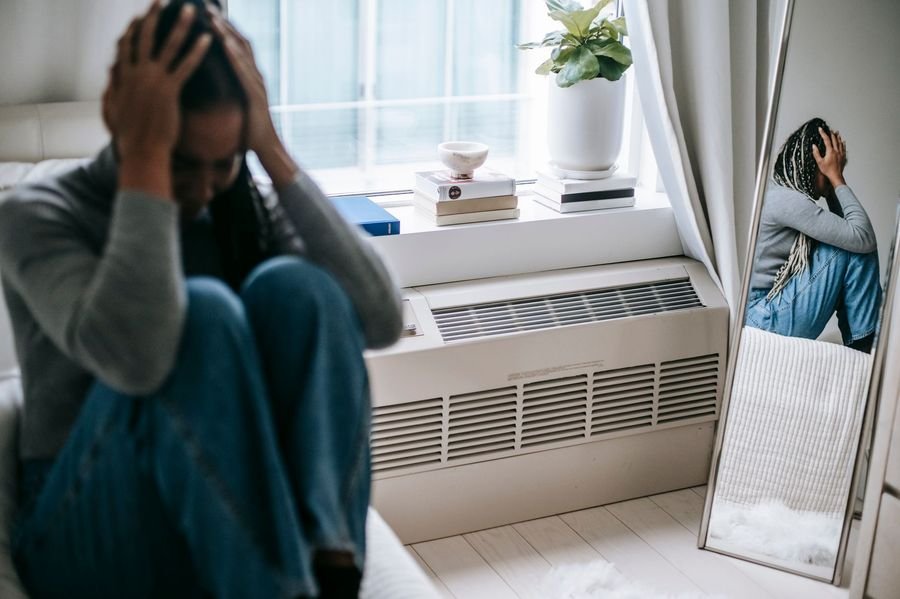
Understanding anxiety in teenagers involves recognizing how cognitive-behavioral models explain anxious responses. Adolescents often experience anxiety as distorted thinking patterns and behavioral responses. Research from the National Institute of Mental Health shows that approximately 31.9% of adolescents experience anxiety disorders. While these numbers are significant, it’s essential to consider individual variability. Personal experiences and environmental factors greatly impact anxiety levels. Factors like familial relationships and academic pressures can amplify stress, potentially leading to anxiety disorders.
In supporting teenagers, low-risk strategies can prove effective. Encouraging open communication creates a safe space for expressing feelings, reducing feelings of isolation. Establishing balanced routines that include sufficient sleep, nutrition, and physical activity also promotes emotional well-being. For more specialized support, therapeutic services tailored for children and youth may be considered as part of professional intervention. Prime Psychotherapy offers services attuned to adolescent needs.
Flexibility in approach is crucial. Not all strategies are universally effective due to personal and contextual differences. A supportive environment where teenagers feel understood can be instrumental in managing anxiety. Engaging in empathetic dialogue and prioritizing their mental health can lead to positive outcomes. By recognizing the unique aspects of each situation, parents can better guide their children in navigating anxiety.
Effective Evidence-Based Strategies
Exploring evidence-based strategies, such as Cognitive Behavioral Therapy (CBT) and mindfulness, provides effective tools for managing teen anxiety. A large body of research, including a 2023 systematic review of systematic reviews, confirms that CBT‑based interventions are effective for treating specific phobias, generalized anxiety disorder, separation anxiety disorder, and nighttime fears in children and adolescents. CBT teaches teens how to identify and challenge distorted thoughts, replacing them with balanced, realistic ones. This can significantly decrease anxiety levels. On the other hand, mindfulness aids in cultivating a non-judgmental awareness of one’s thoughts and feelings, promoting emotional regulation.
A 2024 meta‑analysis of 20 randomized controlled trials published in Clinical Child and Family Psychology Review found that interventions involving parents in treatment had a significantly greater impact on adolescent psychopathology compared to interventions targeting adolescents alone. However, when looking specifically at internalizing problems such as anxiety, this advantage was not statistically significant, suggesting the benefits of parental involvement may be more clearly established for behavioral concerns (Pine et al., 2024). However, it’s important to recognize that results can vary. Practicing simple breathing exercises can also offer immediate relief by inducing a relaxation response. Similarly, setting small, achievable goals provides a sense of accomplishment, reinforcing positive behavior and self‑efficacy.
For young individuals, these methods should be applied with consideration of their unique needs. Prime Psychotherapy ensures these therapies are tailored for youth, emphasizing safety and inclusivity. Encouraging your teen to engage with these strategies consistently can play a pivotal role in managing anxiety. For more insight into the benefits of mindfulness, consider exploring resources from the American Psychological Association on the science of mindfulness and its brain benefits. This provides valuable context for these transformative approaches and their positive impacts on teen anxiety. Embrace these strategies as part of a comprehensive approach to support your teenager’s mental well-being.

The Role of Family Involvement
Family involvement in therapy plays a crucial role in managing a teenager’s anxiety. As psychologist Martin Seligman’s work on positive psychology and resilience highlights, a positive family dynamic can foster resilience and enhance treatment outcomes. A 2024 systematic review and meta‑analysis of interventions for parents of children with anxiety/depression found a small reduction in parental/carer anxiety favoring intervention (g = –0.26), but concluded that interventions directly addressing parental well‑being appear not to be effective overall (Tsang et al., 2024). Family dynamics exert a powerful influence, with open communication minimizing misunderstandings and strengthening relationships.
Families vary greatly. Acknowledging diverse family structures and dynamics is essential. Every family’s journey can benefit from improved communication skills. Start by actively listening to your teen. This practice builds trust and helps the teenager feel valued. Honest and non-judgmental conversations can create a safe space for teens to express their anxieties. Use “I” statements to minimize defensiveness and promote dialogue.
Creating a supportive environment at home is another cornerstone of anxiety management. Prioritize setting routines as they offer stability. Praise efforts, not just outcomes, to reinforce self-efficacy and resilience. This is where family therapy can be invaluable, enabling families to set collective goals and navigate challenges together.
Prime Psychotherapy emphasizes the importance of holistic approaches, recognizing the unique interplay between family dynamics and individual anxiety. Their family therapy services offer customized strategies to foster healthier family interactions and improve the teenager’s mental health. By embracing tailored interventions, families collaboratively nurture the path towards resilience and wellness for their teen.
When to Seek Professional Help
Assessing when to seek professional help is crucial in supporting a teenager with anxiety. It begins with recognizing the signs. If anxiety becomes persistent, interferes with daily tasks, or hampers social interactions, it’s wise to consider professional guidance. Difficulty sleeping, changes in appetite, or overwhelming fear are signals. While these emotions can sometimes be a part of adolescence, they shouldn’t dominate or disrupt. Damaging coping mechanisms, such as isolation, signify the potential benefit of professional insights.
Choosing a therapist with expertise in youth care ensures safety and empathy. Such professionals can offer a nuanced approach tailored to the teen’s unique needs. Their proficiency can foster a therapeutic environment where a teen feels understood and supported, promoting resilience through personalized plans. Therapy is not a sign of failure but a proactive step in understanding anxiety. Sessions within a trusted framework can be immensely beneficial, offering clarity to both teens and families.
Access to confidential consultations ensures that your teenager’s journey is both private and protected. Engaging with a professional offers insights that go beyond the adolescent’s immediate experience. It involves echoing supportive practices backed by research and tailored specifically for adolescents.
Who to turn to, and when, for help matters. An adept therapist can partner with families to build foundations of emotional strength, paving a pathway to well-being. Mindfulness and other therapies are proven tools.
- Study on youth anxiety and professional interventions (Journal of Child Psychology, 2022)
- Benefits of specialized adolescent therapy approaches (Clinical Psychology Review, 2023)

Final words
Understanding and supporting a teenager with anxiety is an ongoing journey that incorporates research and care. For individualized support, consider professional guidance. Book a consultation at Prime Psychotherapy.
Frequently Asked Questions
How can I tell if my teen’s worry is normal or something more?▼
Some worry is a normal part of adolescence. It becomes more concerning when anxiety is persistent, disproportionate to the situation, or interferes with school, friendships, sleep, or daily functioning — that’s when it’s worth exploring with a professional.
What should I avoid saying to an anxious teenager?▼
Phrases like “just don’t worry about it” or “there’s nothing to be anxious about” can feel dismissive, even when well-intentioned. Validating the feeling first (“that sounds really stressful”) tends to open the door to a more supportive conversation.
Can I help my teen with anxiety without professional support?▼
You can offer meaningful support at home — listening, validating, and modeling calm coping — but persistent or significant anxiety often benefits from professional strategies a parent alone can’t fully provide. The two work best together, not as alternatives.
Does teen anxiety usually need medication?▼
Not always. Many teens see meaningful improvement through therapy alone, especially when started early. Medication may be considered for more severe presentations, and that’s a decision made together with a physician alongside therapy.
How do I get my anxious teen to agree to therapy?▼
Framing the first session as a low-pressure, no-obligation conversation — rather than a fix for what’s “wrong” with them — often reduces resistance. A free consultation can be a good, gentle way to introduce the idea.
Ready to take the first step?
Book a free, no-obligation 15-minute consultation — in Mississauga or virtually across Ontario. No waitlist, no pressure.
Book Free 15-Minute Consultation Contact Us