

Your heart is pounding, your chest feels tight, and for a few frightening minutes you’re convinced something is seriously wrong, only for it to pass and leave you shaken, confused, and worried it will happen again. If that sounds familiar, you’ve likely experienced a panic attack. Recognizing the signs of a panic attack, and understanding why they happen, is often the first step toward feeling less afraid of your own body’s reactions. Panic attacks are more common than most people realize — they can happen to people who otherwise feel calm and in control, and a single episode doesn’t necessarily mean anything is “wrong” with you. This guide walks through what a panic attack actually feels like, how it differs from ordinary anxiety, what tends to trigger one, and how therapy can help you feel steadier again.
What Is a Panic Attack?
A panic attack is a sudden surge of intense fear or discomfort that peaks within minutes, often without an obvious trigger. It happens when the body’s stress response, sometimes called “fight or flight,” switches on at full intensity even though there’s no real danger present. Your nervous system floods your body with adrenaline, your heart rate and breathing speed up, and blood flow shifts toward your muscles — all useful if you’re actually facing a threat, but disorienting and frightening when you’re standing in a grocery store line or lying in bed.
Most panic attacks last somewhere between 5 and 20 minutes, though the peak intensity, the part that feels unbearable, usually passes within about 10 minutes. Afterward, it’s common to feel drained, shaky, or on edge for a while, even once the acute symptoms have faded. A single panic attack doesn’t mean you have panic disorder; many people experience one or two in their lifetime during a period of unusual stress and never have another.
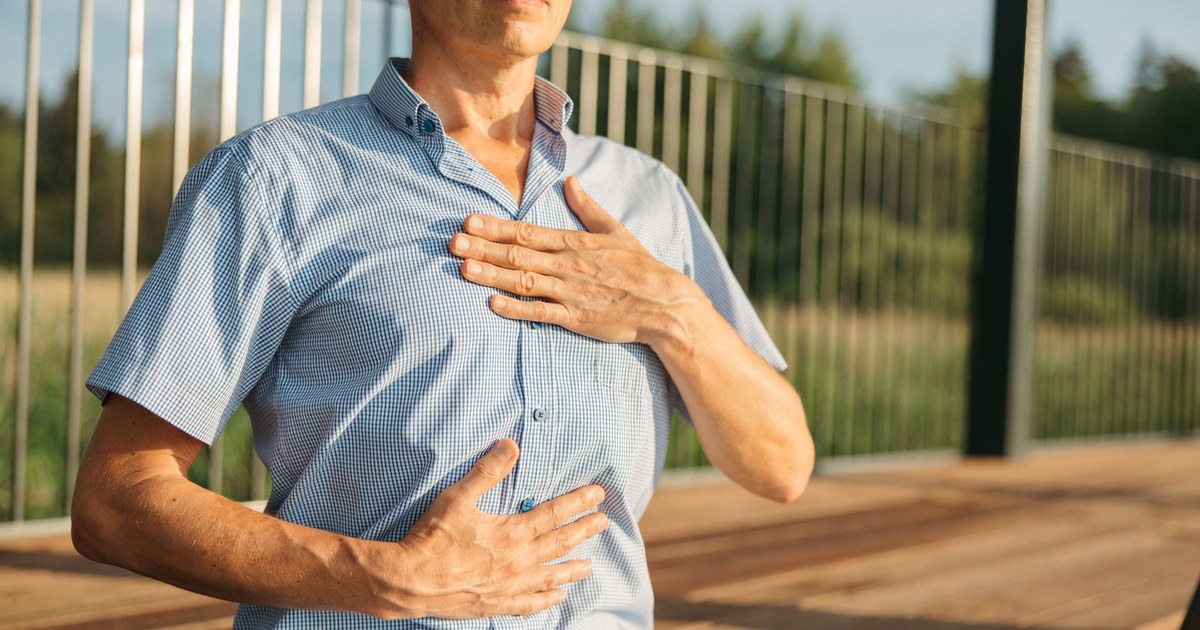

Common Signs and Symptoms of a Panic Attack
The signs of a panic attack are largely physical, which is part of why they’re so often mistaken for a medical emergency, especially the first time. Common symptoms include:
- Racing or pounding heart
- Chest tightness or pain
- Shortness of breath, or a feeling of choking
- Trembling or shaking
- Sweating or chills
- Dizziness, lightheadedness, or feeling faint
- Nausea or stomach distress
- Numbness or tingling, especially in the hands or face
- A sense of unreality or detachment from yourself or your surroundings
- An overwhelming fear of losing control, “going crazy,” or dying
Because so many of these symptoms overlap with a heart attack or other medical emergency, it’s genuinely difficult to tell the difference in the moment, and if you’re ever unsure, seeking medical attention is the right call. Many people’s first panic attack ends with a trip to the emergency room, which is a completely reasonable response. Over time, once medical causes have been ruled out and the pattern becomes familiar, most people learn to recognize their own signs of a panic attack more quickly.
Panic Attack vs. Anxiety Attack: What’s the Difference?
“Panic attack” and “anxiety attack” are often used interchangeably, but they describe two different experiences. A panic attack tends to come on suddenly, sometimes with no clear trigger, and peaks in intensity within minutes. Anxiety, by contrast, usually builds more gradually in response to a specific stressor — a work deadline, a difficult conversation, a health worry — and tends to feel less acutely overwhelming, even when it lasts longer.
“Anxiety attack” isn’t an official clinical term in the DSM-5, the manual used to diagnose mental health conditions, while “panic attack” is. In practice, though, most people use “anxiety attack” to describe a milder, slower-building version of the same fight-or-flight response. If panic attacks happen repeatedly, along with weeks of ongoing worry about having another one, that pattern may point toward panic disorder, which is a diagnosable and highly treatable condition.

What Triggers a Panic Attack?
Panic attacks can happen with no identifiable trigger at all, which is part of what makes them so unsettling. When there is a trigger, common ones include:
- Ongoing stress or a major life change (a new job, a breakup, moving, becoming a parent)
- Specific fears, like enclosed spaces, flying, or crowds
- Caffeine, certain medications, or sleep deprivation
- A history of trauma or previous panic attacks, which can make the body more sensitive to perceived threat
- Health anxiety, particularly when a racing heart or unusual body sensation is misread as dangerous, which can itself spark a panic attack
For many people, the fear of having another panic attack becomes its own trigger — a cycle sometimes called anticipatory anxiety, where avoiding places or situations “just in case” can start to shrink someone’s world over time.
What to Do When You’re Having a Panic Attack
While every panic attack passes on its own, a few things can help you move through it:
- Remind yourself it isn’t dangerous. Panic attacks are frightening, but they aren’t harmful, and they will pass.
- Slow your breathing. Try inhaling for four counts, holding for four, and exhaling for six — longer exhales help activate your body’s calming response.
- Ground yourself in your senses. Name five things you can see, four you can touch, three you can hear, two you can smell, and one you can taste (the 5-4-3-2-1 technique).
- Stay where you are, if it’s safe to. Leaving a situation because of panic can reinforce avoidance and make future attacks more likely in that setting.
- Avoid fighting the fear. Trying to force calm often backfires; letting the wave move through you, without judgment, usually resolves it faster.
These strategies help in the moment, but they’re not a substitute for addressing what’s driving the panic in the first place.
When Panic Attacks Signal Something More
An occasional panic attack during a stressful season is different from panic disorder, which involves recurring, unexpected panic attacks along with persistent worry about future attacks, or significant changes in behaviour (avoiding certain places, activities, or situations) to try to prevent them. If panic attacks are happening regularly, interfering with work, relationships, or daily routines, or leading you to avoid more and more of your life, that’s a sign it’s time to talk to someone.
At Prime Psychotherapy, our anxiety and depression counselling in Mississauga helps clients understand what’s driving their panic, build practical coping tools, and, over time, reduce how often attacks happen and how much power they hold. Many clients start with general individual therapy simply to talk through what they’re noticing, and for anyone outside Mississauga, we also offer online therapy across Ontario.
This article is for educational purposes only and is not a substitute for a formal diagnostic assessment, individualized professional care, or treatment. If you are in crisis or having thoughts of harming yourself, please reach out right away. In Canada, you can call or text 988 (Suicide Crisis Helpline), available 24/7. If you are in immediate danger, call 9-1-1.
Frequently Asked Questions
What are the first signs of a panic attack?▼
The earliest signs are usually physical: a racing or pounding heart, chest tightness, shortness of breath, trembling, or a wave of dizziness. Some people also notice a sudden sense of unreality or detachment, or an overwhelming urge to escape the situation. These symptoms tend to build very quickly, often peaking within minutes.
What’s the difference between a panic attack and an anxiety attack?▼
A panic attack comes on suddenly, sometimes with no clear trigger, and peaks in intensity within minutes. Anxiety usually builds more gradually in response to a specific stressor and feels less acutely overwhelming, even when it lasts longer. “Anxiety attack” isn’t an official clinical term, while “panic attack” is.
What should I do when I’m having a panic attack?▼
Remind yourself the sensations, while frightening, aren’t dangerous and will pass. Slow your breathing with a longer exhale than inhale, ground yourself using your senses (the 5-4-3-2-1 technique), and try to stay where you are if it’s safe. Fighting the fear tends to make it worse; letting it move through you usually helps it pass faster.
What is the 3-3-3 rule for panic attacks?▼
The 3-3-3 rule is a quick grounding technique: look around and name three things you can see, listen for three sounds you can hear, then move three parts of your body (your fingers, ankle, or shoulders). It’s designed to pull your attention out of the panic and back into the present moment.
Can panic attacks last for hours?▼
A single panic attack typically peaks within about 10 minutes and resolves within 5 to 20 minutes, though feeling drained, shaky, or on edge afterward is common and can linger longer. If intense symptoms genuinely persist for hours without easing, that may point to a different pattern (such as sustained anxiety) worth discussing with a professional.
What triggers a panic attack?▼
Panic attacks can occur with no identifiable trigger at all. When there is one, common causes include ongoing stress or major life changes, specific fears like enclosed spaces or crowds, caffeine or sleep deprivation, a history of trauma, and health anxiety, where a normal body sensation gets misread as dangerous.
Do I need a diagnosis before starting therapy for panic attacks?▼
No. Many people start therapy while still unsure whether what they’re experiencing is a single panic attack, recurring panic attacks, or panic disorder. A first session can simply focus on naming what you’re noticing, and your therapist can help you figure out what kind of support makes sense from there.
Panic attacks starting to take over more of your life?
Book a free, no-obligation 15-minute consultation — in Mississauga or virtually across Ontario. No waitlist, no pressure.