

If you’ve spent years feeling scattered, overwhelmed, and quietly convinced that you just need to “try harder” — you’re not alone. And there may be a very good reason you’ve been struggling. Research increasingly confirms that ADHD in women is vastly underdiagnosed, frequently misdiagnosed as anxiety or depression, and profoundly misunderstood by the medical system.
Across Canada, many women aren’t receiving an ADHD diagnosis until their 30s, 40s, or even 50s — long after years of self-blame, compensation, and burnout have taken their toll. If that resonates, this article is for you.
Why ADHD in Women Has Been Overlooked for So Long
ADHD research has historically centred on boys and men. The diagnostic criteria in the DSM (Diagnostic and Statistical Manual of Mental Disorders) were largely developed from studies of young boys who displayed the most visible symptoms: hyperactivity, impulsivity, and disruptive classroom behaviour. Girls and women with ADHD often present very differently.
A landmark study led by Associate Professor Caroline Gurvich and her PhD student Elyssa Osianlis at Monash University — published in the Journal of Psychiatric Research (2023) — surveyed more than 600 women living with ADHD across Australia and the United Kingdom. The findings were striking and align with what clinicians in Canada are increasingly seeing as well. The research confirmed that systemic underdiagnosis is real, measurable, and consequential — especially for women navigating hormonal changes across the lifespan. (Full Monash University article: Research suggests there may be a systemic underdiagnosis of ADHD in women. Full CADDAC resource: Girls and Women with ADHD.
What ADHD Actually Looks Like in Women
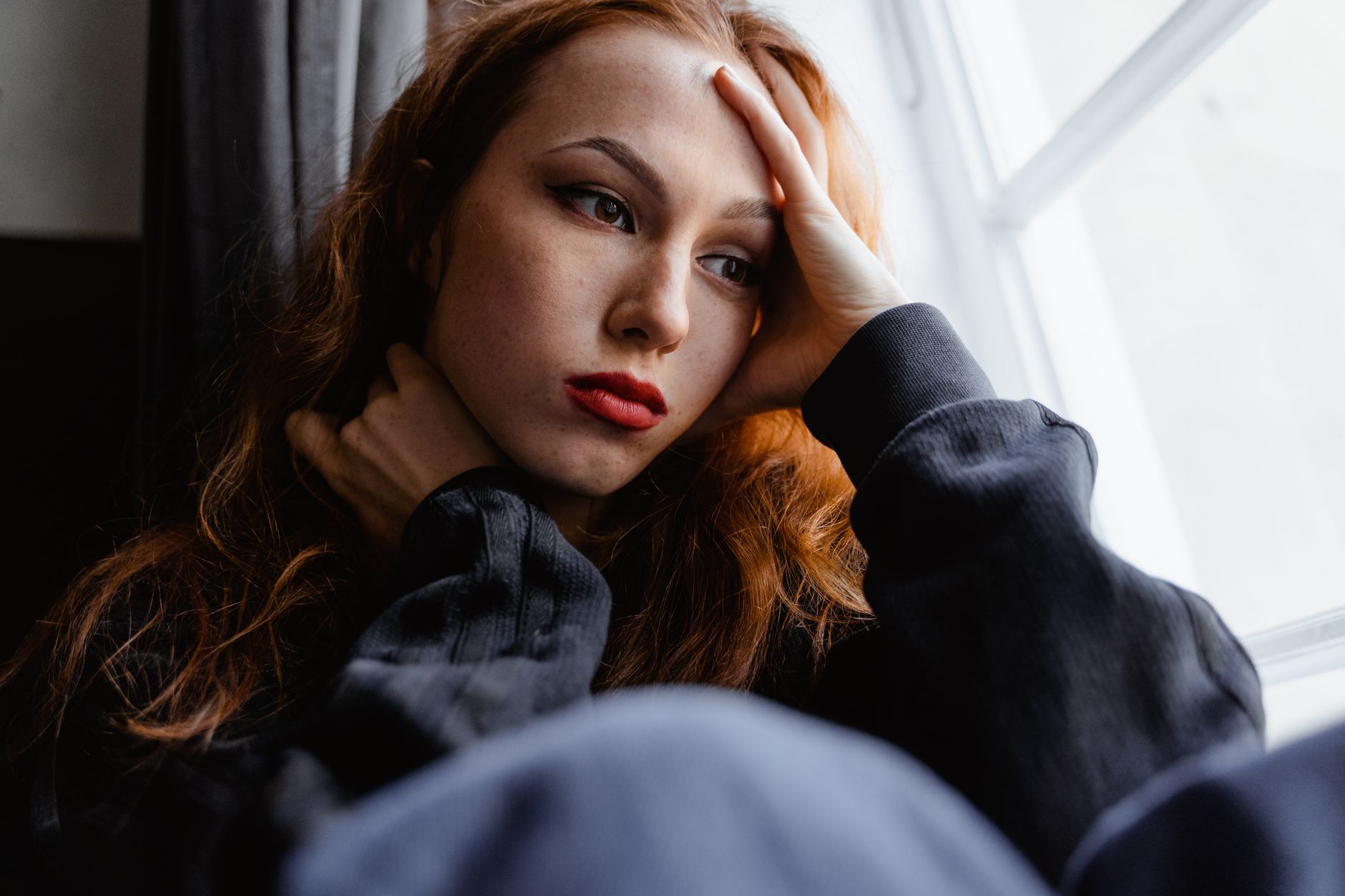
While the hyperactive, disruptive presentation of ADHD is commonly associated with boys, women are more likely to experience what clinicians call the inattentive presentation — a subtler pattern that often goes undetected for years:
- Chronic difficulty completing tasks, despite genuinely wanting to
- A perpetually cluttered home or workspace, even with best intentions
- Losing track of conversations, appointments, and deadlines
- An inner experience of being “too much” or “not enough”
- Intense emotional sensitivity and rejection sensitive dysphoria
- Exhaustion from years of masking — working twice as hard to appear “normal”
Women with ADHD often develop sophisticated coping strategies — sometimes so effectively that even their closest family members don’t recognise there’s a struggle underneath. This masking comes at enormous personal cost: anxiety, low self-esteem, and eventually, burnout.
The Hormonal Connection: Periods, Perimenopause, and ADHD
One of the most underappreciated aspects of ADHD in women is how profoundly hormones affect symptom severity. Oestrogen plays a key role in regulating dopamine — the neurotransmitter most associated with attention, motivation, and executive function. When oestrogen levels fluctuate or drop, ADHD symptoms often worsen.
The Monash University study found that:
- 88% of women reported that their ADHD symptoms worsened during specific phases of their menstrual cycle
- 97% of women experienced a worsening of symptoms during perimenopause or menopause
- Many women described perimenopause as a “cliff edge” — the point at which their coping strategies completely collapsed
This helps explain why many women first seek help for ADHD during or after pregnancy, during the premenstrual phase, or when perimenopause begins — not because their ADHD is new, but because hormonal shifts stripped away the neurological buffer that had been masking it. The Cleveland Clinic and ADDitude Magazine both document this hormonal relationship extensively, reinforcing what the clinical research confirms.

The Real Cost of a Late or Missed Diagnosis
Being diagnosed late — or not at all — carries serious consequences. Without understanding that their brain works differently, women with undiagnosed ADHD typically internalise failure as a character flaw. Over years and decades, this shapes self-concept in damaging ways.
Research links undiagnosed ADHD in women to elevated rates of:
- Anxiety disorders and depression
- Substance use as self-medication
- Eating disorders (particularly in adolescent girls)
- Relationship difficulties and higher rates of relationship breakdown
- ADHD burnout — a state of total depletion from chronic overcompensation
A 2024 analysis published in STAT News found that women with ADHD are significantly more likely to have multiple psychiatric diagnoses before anyone considers ADHD — meaning anxiety or depression is treated while the underlying driver goes unaddressed. (STAT News)
Getting a Diagnosis as an Adult Woman
If you recognise yourself in what you’ve read so far, seeking an assessment is a meaningful first step. Adult ADHD assessment typically involves:
- A thorough clinical interview covering childhood, academic, and occupational history
- Standardised rating scales (such as the Conners’ Adult ADHD Rating Scales [CAARS] or Brown ADD Rating Scales)
- Review of any co-existing conditions (anxiety, depression, trauma)
- Gathering collateral information where possible
The Conners’ Adult ADHD Rating Scales (CAARS) are a well‑validated tool for measuring the presence and severity of ADHD symptoms in adults. The Brown ADD Rating Scales similarly assess executive cognitive functioning associated with ADHD, including domains such as organizing, focusing, regulating alertness, and managing frustration.
A formal diagnosis opens doors to appropriate support — not only medication if indicated, but also evidence-based psychotherapy approaches that directly address executive function, emotional regulation, and self-concept.
How Psychotherapy Helps Women with ADHD
Medication can reduce core ADHD symptoms, but it doesn’t address the emotional aftermath of years of struggling without understanding why. Psychotherapy fills this gap. Evidence-based approaches used with adults with ADHD include:
- Cognitive Behavioural Therapy (CBT): specifically adapted for ADHD to address negative thought patterns, build executive function skills, and reduce anxiety
- Dialectical Behaviour Therapy (DBT): particularly effective for emotional dysregulation and rejection sensitivity
- ADHD Coaching within therapy: practical skills for organisation, time management, and task completion
- Trauma-informed therapy: addressing the cumulative emotional wounds of years of misunderstanding and self-blame
The Centre for Addiction and Mental Health (CAMH) in Toronto recognizes integrated, multimodal treatment for adults with ADHD, noting that treatment often takes place in primary care settings and may include medication, therapy, and practical supports. While their published clinical page focuses primarily on pharmacological treatment, the broader standard of care for adult ADHD includes psychotherapy — particularly when co‑existing emotional difficulties are present.
You Deserve to Understand Your Own Mind
If you’re a woman in the Mississauga or GTA area wondering whether ADHD might explain a lifetime of struggle, Prime Psychotherapy can help. Our therapists offer compassionate, evidence‑informed support — including assessment referrals, psychoeducation, and therapy tailored to women with ADHD. Book a free consultation today.
You Deserve to Understand Your Own Mind
If you’re a woman in the Mississauga or GTA area wondering whether ADHD might explain a lifetime of struggle, Prime Psychotherapy can help. Our therapists offer compassionate, evidence-informed support — including assessment referrals, psychoeducation, and therapy tailored to women with ADHD. Book a free consultation today.
This article references published research including: Holst, A.S. & Thorell, L.B. (2023), “Childhood and adult ADHD symptomatology and quality of life,” Journal of Psychiatric Research; and findings from the Monash University survey of 600+ women with ADHD. External links are provided for informational purposes. Always consult a qualified healthcare professional regarding your personal health.
Frequently Asked Questions
Why is ADHD in women so often missed or diagnosed late?▼
ADHD research and diagnostic criteria were historically based largely on hyperactive young boys, while women more often present with inattentive symptoms — daydreaming, disorganization, internal restlessness — that are easier to overlook or mistake for anxiety.
Can hormones really affect ADHD symptoms?▼
Yes. Many women notice their ADHD symptoms fluctuate with their menstrual cycle and intensify during perimenopause, likely related to estrogen’s role in regulating dopamine, a neurotransmitter central to ADHD.
Is it worth getting diagnosed with ADHD as an adult woman?▼
For many women, yes — a diagnosis can bring genuine relief, self-understanding, and access to tailored strategies and treatment, even if it comes later in life. It’s never “too late” to better understand your own mind.
What does an adult ADHD assessment for women involve?▼
Typically a thorough clinical interview covering current symptoms, childhood history, and how ADHD may present differently due to compensatory strategies women often develop. A comprehensive evaluation looks beyond a simple checklist.
Can therapy help with ADHD even without medication?▼
Yes. Therapy can help build practical coping strategies, address the emotional impact of years of feeling “different” or self-critical, and work alongside medication if that’s part of your plan — or as a standalone approach if you choose not to pursue medication.
Ready to take the first step?
Book a free, no-obligation 15-minute consultation — in Mississauga or virtually across Ontario. No waitlist, no pressure.
Book Free 15-Minute Consultation Contact Us