

This article explores whether couples therapy in Mississauga genuinely works, focusing closely on the real evidence behind common therapeutic approaches. Relationships go through real, difficult seasons at every stage — and understanding what genuinely helps can make the decision to seek support feel a lot less daunting for both partners.
Understanding Couples Therapy
Couples therapy aims to enhance relationship satisfaction and communication between partners through several evidence-based approaches focused on resolving conflict, improving emotional intimacy, and understanding each partner’s perspective. Common methodologies include Cognitive Behavioural Therapy (CBT) and Emotionally Focused Therapy (EFT), both of which show meaningful improvement in relationships over time, including better communication and reduced stress between partners.
Cultural considerations matter in therapy, and in Mississauga’s diverse community, therapists often adopt culturally sensitive practices that respect each relationship’s unique context. It is worth noting that severe mental health issues or ongoing abusive dynamics may call for additional or alternative interventions beyond standard couples therapy — a good therapist will help you understand what approach fits your specific situation.
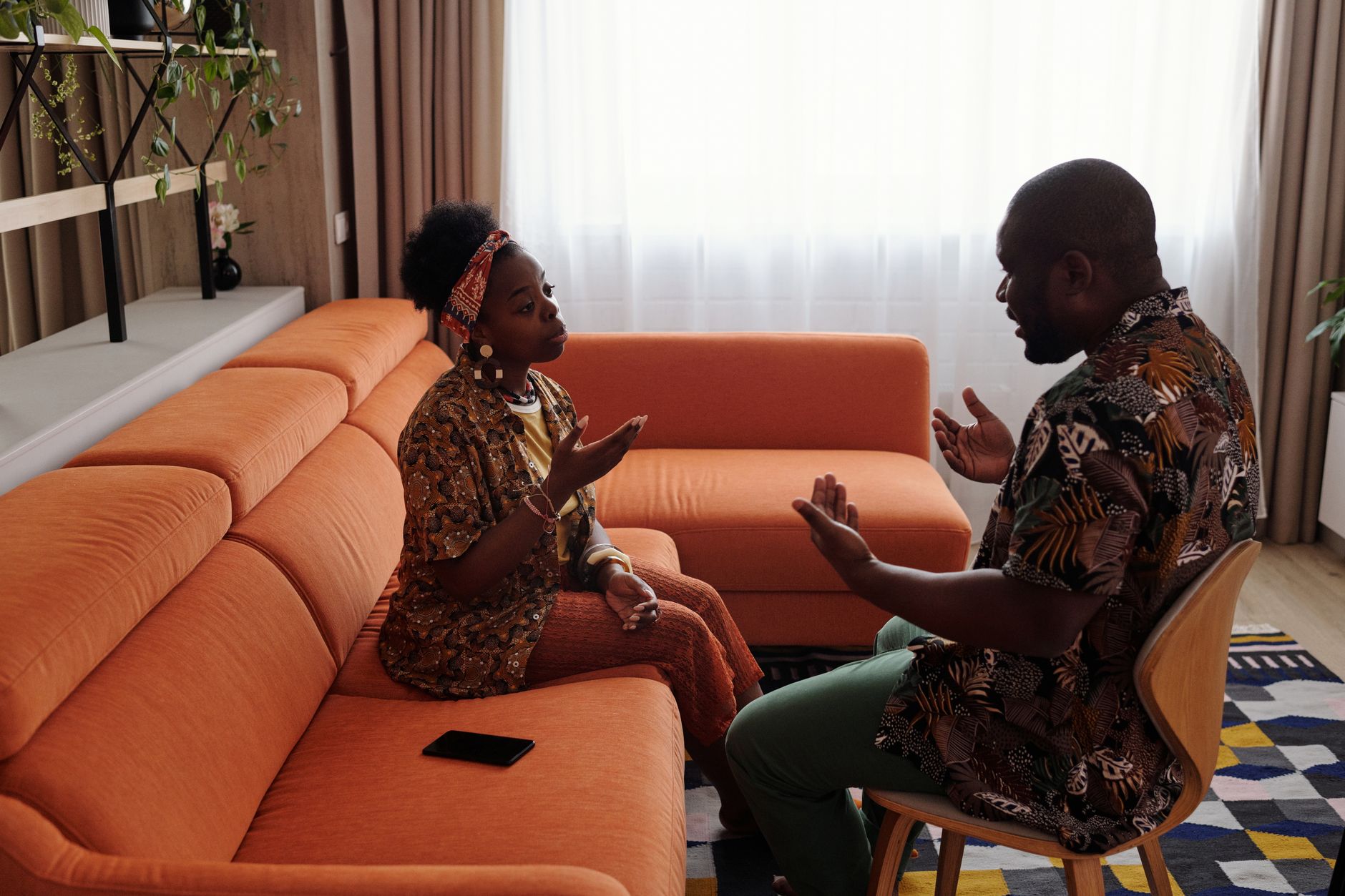

Evidence-Based Approaches That Actually Work
The effectiveness of couples therapy often hinges on evidence-based approaches like CBT and Emotionally Focused Therapy (EFT). Both aim to refine communication and deepen emotional connection, and research shows they can meaningfully enhance conflict resolution — a crucial part of relationship dynamics. CBT in couples work focuses on identifying and shifting negative thought patterns, helping partners communicate more effectively and resolve misunderstandings before they escalate into bigger conflicts.
Emotionally Focused Therapy, by contrast, prioritizes the underlying attachment bond between partners, helping couples understand the emotions driving repetitive conflict patterns rather than just managing the surface-level disagreement. Many therapists draw on both approaches depending on what a couple actually needs.
What Actually Happens in a Couples Therapy Session
Sessions typically create a structured, neutral space where both partners can speak and be heard without the conversation escalating the way it might at home. Your therapist helps guide the conversation, notice unhelpful patterns as they happen in real time, and introduce tools for communicating more effectively going forward.
For couples wanting to strengthen their relationship independently alongside therapy, practicing active listening and speaking honestly without fear of judgment are useful starting points. Structured communication exercises, aligned with what you are working on in session, can help reinforce progress between appointments.
Is Couples Therapy Right for Every Relationship?
Couples therapy tends to be most effective when both partners are willing to show up and engage, even if one partner is initially more hesitant than the other. It is not only for relationships in crisis — many couples start therapy proactively, to strengthen communication, navigate a major life transition, or simply reconnect before smaller issues grow into bigger ones.
Practitioners emphasize tailoring the therapeutic approach to each couple’s specific needs rather than applying a rigid, one-size-fits-all program. Integrating insights from related areas, such as family therapy, can also provide a broader support system when children or extended family are part of the picture.

Final Words
Couples take meaningful, lasting steps toward reconciling and nurturing their relationship when supported by personalized, evidence-based care from a therapist who understands their specific dynamic. If you and your partner are navigating a difficult season, couples therapy in Mississauga — available in person or virtually anywhere across Ontario — offers a genuinely effective, well-structured path forward, at whatever pace feels right for you both.
This article is for educational purposes only and is not a substitute for individualized professional care.
Common Patterns Couples Work Through in Therapy
While every relationship is different, therapists often see a handful of recurring patterns that bring couples into therapy: communication that repeatedly escalates into arguments rather than resolution, a slow drift toward emotional distance even without major conflict, differing expectations around parenting, finances, or intimacy, and the aftermath of a breach of trust that has not fully healed. Recognizing your own pattern is not about assigning blame — it is often the first meaningful step toward change, because it shifts the conversation from “who is right” toward “what is actually happening between us.”
Therapy also frequently helps couples recognize a demand-withdraw cycle, where one partner pushes for connection or resolution while the other pulls away to self-protect — a pattern that, left unaddressed, tends to reinforce itself over time. Understanding these dynamics with a neutral, trained third party often creates breakthroughs that are difficult to reach alone, simply because it is hard to see your own pattern clearly from inside it.
Frequently Asked Questions
How do we know if we actually need couples therapy?▼
There is no single threshold — some couples seek support during a crisis, while others start proactively to strengthen communication or navigate a life transition. If conversations repeatedly end in conflict, feel unheard, or you notice growing distance, that is a reasonable signal to consider it.
What if only one partner is willing to attend therapy?▼
Therapy can still create meaningful change, even starting with one partner working on their own communication patterns and understanding of the relationship dynamic. Many reluctant partners become more open once they see genuine, non-judgmental engagement from the therapist.
How many sessions does couples therapy usually take?▼
It varies by couple and goals. Some couples notice meaningful shifts within a handful of sessions focused on a specific issue, while others benefit from longer-term work through a bigger transition. Your therapist will review progress with you regularly.
Does couples therapy work for long-term, deeply rooted issues?▼
Yes, though it may take more time than addressing a recent or situational conflict. Approaches like Emotionally Focused Therapy are specifically designed to work with longstanding attachment patterns, not just surface-level disagreements.
Is couples therapy only for married couples?▼
No. Couples therapy can support any committed relationship, including dating couples, common-law partners, and non-traditional relationship structures — the tools and approaches apply broadly to any two people navigating a relationship together.
What’s the difference between couples therapy and individual therapy for relationship issues?▼
Individual therapy focuses on your own patterns, feelings, and behaviour, which can indirectly improve a relationship. Couples therapy works directly with both partners together, addressing the relational dynamic itself rather than just one person’s perspective on it.
Will the therapist take sides during our sessions?▼
A skilled couples therapist remains neutral, working with the relationship dynamic rather than advocating for one partner over the other. Their role is to help both of you understand the pattern you are caught in, not to determine who is right or wrong.
What if we’ve already tried couples therapy before and it didn’t help?▼
A previous experience not working out does not mean therapy itself is ineffective for you — fit with the specific therapist and approach matters a great deal. It is worth trying again with a different therapist or modality, and being upfront about what did not work last time.
How do we get started with couples therapy?▼
A free 15-minute consultation is a low-pressure way to start — you and your partner can share what you’re navigating and ask questions before committing to ongoing sessions. From there, your therapist will help match you with an approach that fits your relationship.
Ready to take the first step?
Book a free, no-obligation 15-minute consultation — in Mississauga or virtually across Ontario. No waitlist, no pressure.